

12 Best B2B Integration Tools for Modern Enterprises in 2026
Summarise the blog with AI

Did you know 71% of organizations report it takes at least three weeks to deploy a single integration? This delay creates significant engineering overhead for HR, payroll, and benefits platforms.
B2B integration tools help companies connect multiple third-party systems, automate data synchronization, and standardize data models, reducing complexity and freeing engineering teams for higher-value work.
In this blog, you’ll explore the 12 best B2B integration tools in 2026, with detailed insights on features, use cases, and how they reduce operational and maintenance overhead.
Key Takeaways
- Streamlined Connectivity: Modern B2B integration tools connect HRIS, ATS, payroll, CRM, and financial systems efficiently.
- Standardized Data with Unified APIs: Unified APIs reduce development overhead and ensure consistent data across platforms.
- Depth and Platform Scope Differ: Tools vary in coverage and level of control, depending on integration needs and team capacity.
- Observability and Compliance: DevOps support, monitoring, and regulatory compliance are increasingly key differentiators in 2026.
- Reduced Maintenance Overhead: Automating schema updates and API changes minimizes manual effort, freeing engineering teams for strategic tasks.
What Are B2B Integration Tools and Key Trends in 2026
B2B integration tools connect HR, payroll, benefits, and other business systems with CRMs, ERPs, and data warehouses, automating data flow while ensuring accuracy, compliance, and operational efficiency. They handle authentication, data transformation, rate limits, and sync orchestration, reducing manual work and freeing teams to focus on strategic initiatives.
Basic connectors sync standard objects with fixed schemas, while full integration platforms support custom fields, bidirectional syncs, complex transformations, and enterprise-scale data volumes. When organizations need field-level customization or large-scale data validation, a robust integration platform becomes essential for maintaining consistent, reliable workflows.
Three Key Trends Defining Modern B2B Integration Platforms
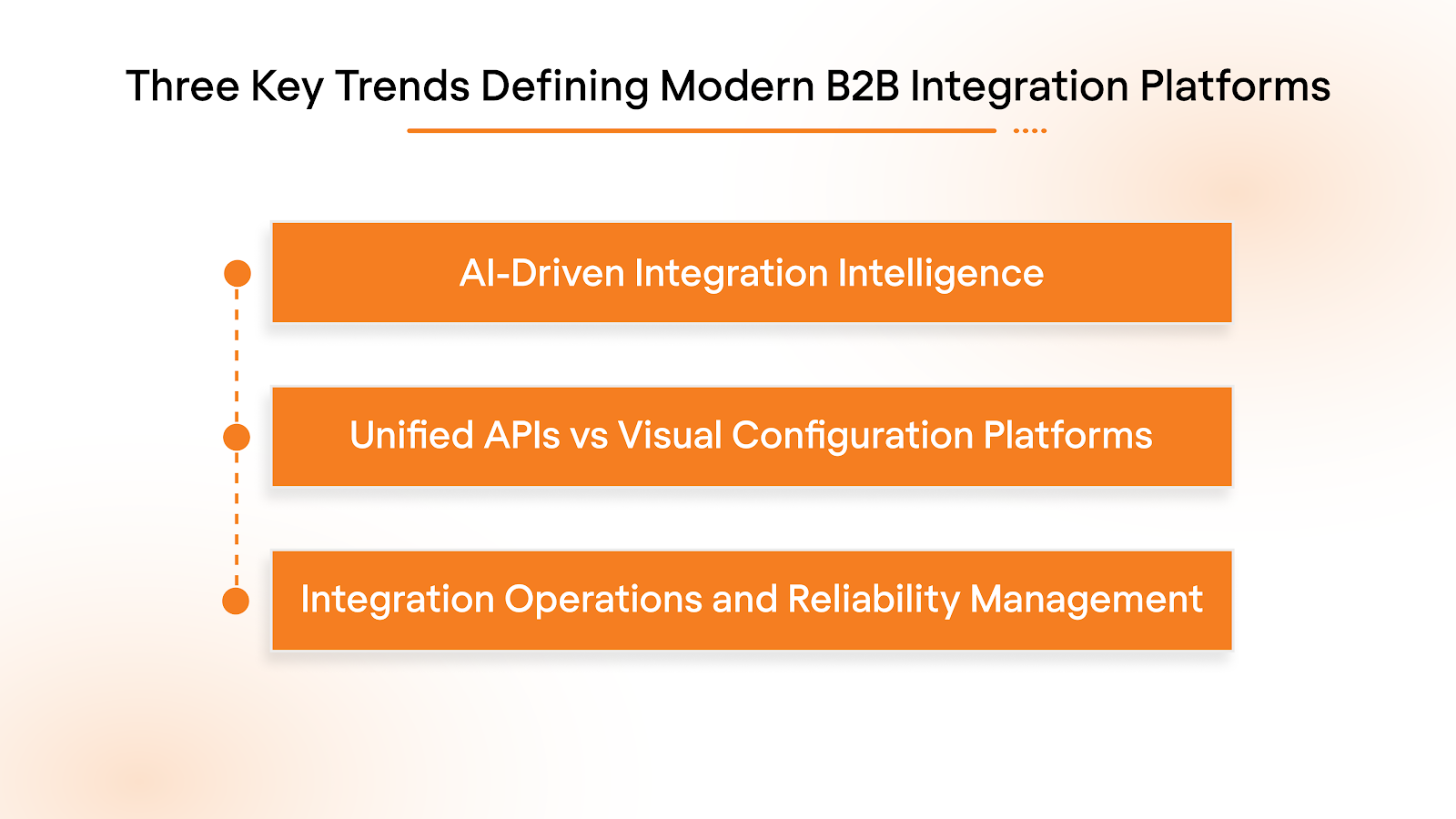
As organizations adopt more SaaS systems for HR, payroll, and benefits, integration complexity is rising. Modern B2B platforms are evolving to simplify workflows, improve data accuracy, and reduce operational overhead.
- AI-Driven Integration Intelligence: Machine learning automates data mapping, transformation, and anomaly detection, reducing errors and accelerating integrations across multiple HR and payroll systems.
- Unified APIs vs Visual Configuration Platforms: Unified APIs consolidate multiple endpoints under a single standard schema, while declarative platforms provide visual, workflow-based configuration, enabling non-technical teams to manage integrations efficiently.
- Integration Operations and Reliability Management: Observability, monitoring, and automated maintenance are now standard expectations. Real-time alerts, compliance checks, and performance dashboards help teams ensure reliable data flow without constant engineering intervention.
Trends illustrate what’s possible, but the right platform depends on your organization’s integration requirements, scale, and operational priorities.
Who Benefits Most from B2B Integration Tools
B2B integration platforms are not one-size-fits-all. Different companies face unique challenges depending on their size, scale, and operational complexity. Choosing the right tool ensures faster deployment, reliable data sync, and reduced engineering overhead for HR, payroll, and benefits workflows.
- Early-Stage Startups: These organizations need pre-built APIs and low-maintenance connectors to accelerate go-to-market without a dedicated engineering team.
- Growth-Stage Companies: They require scalable solutions that handle higher transaction volumes, multi-category integrations, and evolving regulatory requirements.
- Enterprise SaaS Providers: Large enterprises prioritize governance, hybrid deployments, deep customization, and robust observability to manage complex, high-volume workflows effectively.
Also Read: Best Practices for B2B API Integration
With a clear understanding of trends and who benefits most, it’s time to explore the top B2B integration tools and examine their strengths and suitability for different business needs.
Top 12 B2B Integration Platforms to Consider in 2026
Choosing the right integration platform is critical for HR, payroll, and benefits systems. The right tool ensures reliable data sync, reduces engineering overhead, and simplifies multi-system connectivity. Below are the top 12 B2B integration platforms to help you streamline operations and scale effectively.
1. Bindbee
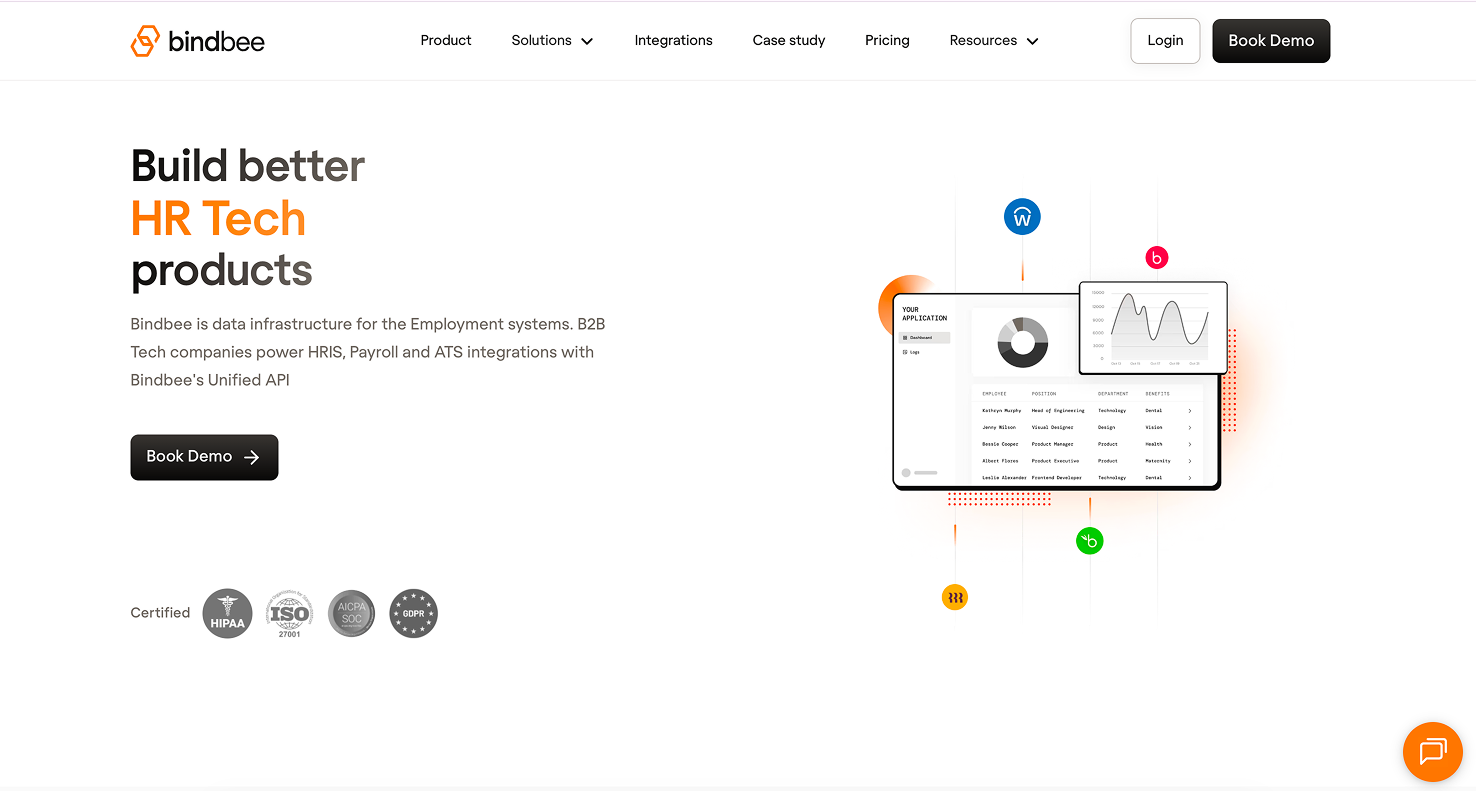
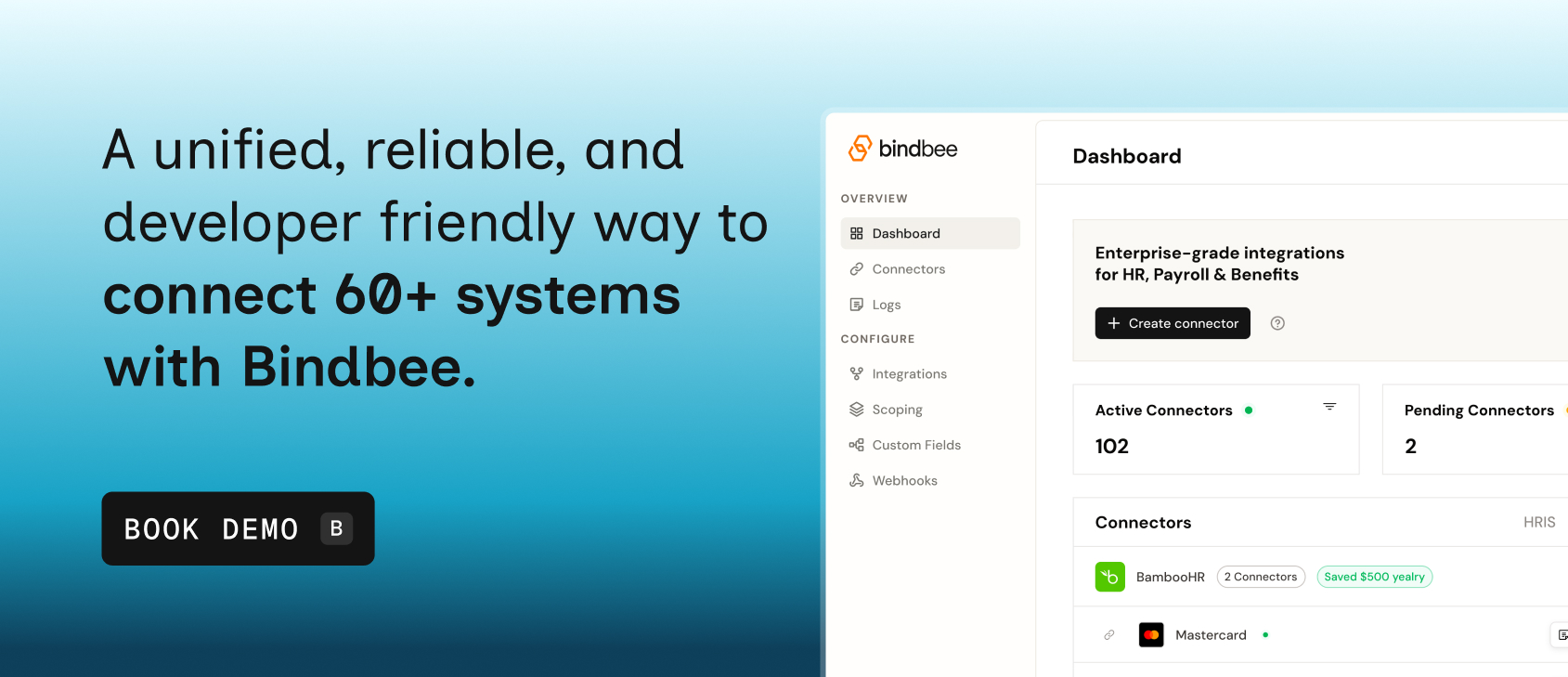
Bindbee provides unified APIs for HR, payroll, and ATS platforms, enabling SaaS products to integrate multiple employment-related systems through a single API. It simplifies authentication, data normalization, and ongoing maintenance for engineering teams.
Key Features:
- Deep Coverage Across 60+ HRIS Tools: Broad integration catalog that allows teams to support customer requests faster and win deals without engineering delays.
- Standardized Data Models: Normalizes employee and payroll data across systems to ensure consistency, accuracy, and downstream reliability.
- Enterprise-Grade Security: Built with GDPR compliance, encryption at rest and in transit, and strict access controls for sensitive employment data.
- No-Code Connection Setup: End customers can connect their HR or payroll systems in minutes, lowering onboarding time and support overhead.
- Observability Dashboard: Real-time logs and event-level visibility enable teams to diagnose and resolve integration issues without inspecting raw code.
Best Suited For: B2B SaaS companies in HR Tech, Benefits, Payroll, Fintech, Insurance, and 401(k)/TPA services that need reliable, secure, and scalable employment data integrations delivered through a Unified API without ongoing engineering maintenance.
Ratings: 4.9/5 (15+ reviews). Users consistently rate Bindbee highly for ease of use, support quality, and a straightforward API.
2. Merge
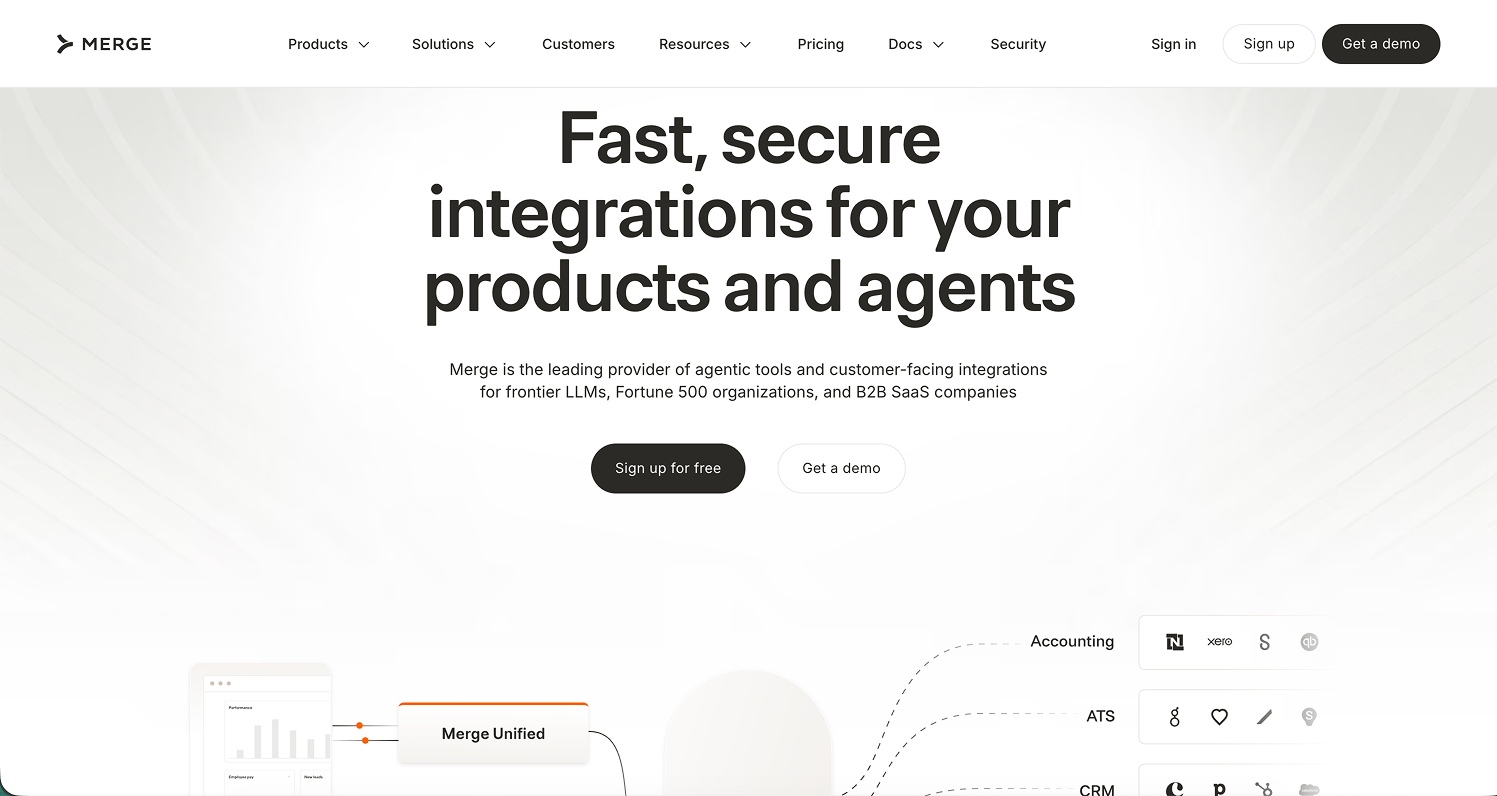
Merge provides pre-built unified APIs across HRIS, ATS, CRM, accounting, ticketing, and file storage systems. By integrating once, teams can access multiple providers through a normalized schema, saving development time.
Key Features:
- Wide Integration Coverage: Merge supports over 220 integrations across seven software categories, including HRIS, ATS, CRM, and accounting.
- Observability Dashboard: The platform offers automated alerts and searchable logs to detect and resolve issues proactively.
- Custom Field Mapping: Teams can override standard data models and add custom fields as needed.
- HRIS & ATS Expertise: Merge offers strong implementation support and deep knowledge in HRIS and ATS integrations.
Best Suited For: B2B SaaS companies needing shallow, standardized integrations across multiple software categories, especially HRIS and ATS platforms.
Ratings: 4.7/5 (240+ reviews). Merge receives strong feedback for its extensive catalog of integrations and stable API performance.
3. Nango
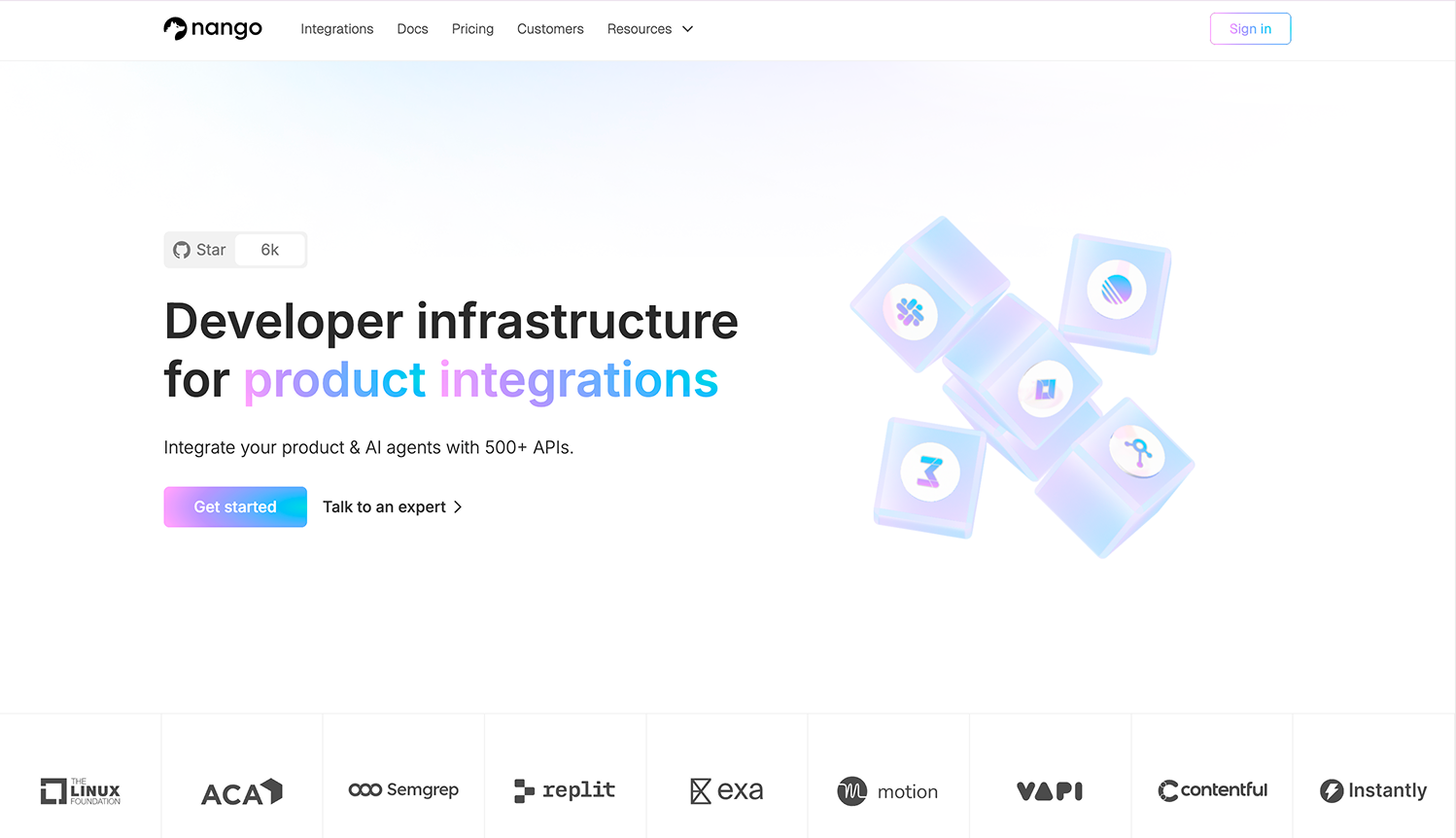
Nango is a code-first platform that enables developers to build custom unified APIs with full control over integration logic and data models. It supports 500+ APIs across 28 categories.
Key Features:
- Extensive API Coverage: Nango supports 500+ APIs, including niche tools such as Garmin, Oura, and Whoop.
- Open-Source Catalog: Community contributions expand the integration library faster than closed platforms.
- AI Integration: The platform natively supports AI tools and LLM access to integrated systems.
- Custom Sync Control: Developers can define data transformations and synchronization logic per integration.
Best Suited For: Engineering teams that require flexible, custom unified APIs and are willing to invest development time for tailored solutions.
Ratings: 4.4/5 - Listed on comparative platforms with a generally positive user score; reviewers note flexibility and broad API support.
4. Kombo
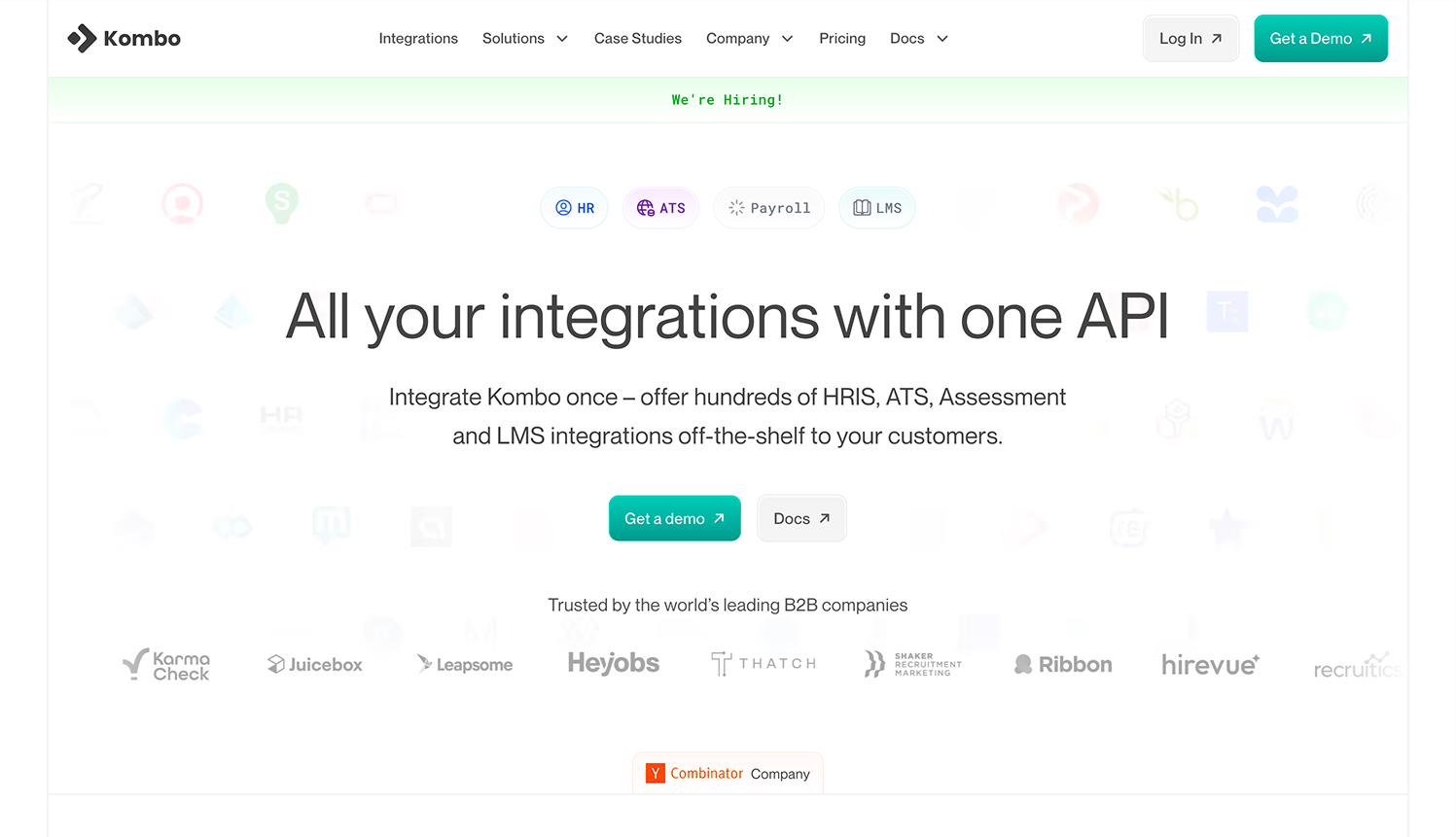
Kombo focuses on HRIS, ATS, and payroll integrations, normalizing employee data across multiple systems. It supports both read and write operations to update HR platforms.
Key Features:
- Specialized Integrations: Kombo provides 100+ integrations specifically for HRIS, ATS, and payroll systems.
- Regional Coverage: The platform supports European HRIS platforms such as Personio and Factorial.
- Write Operations: Teams can update employee records, benefits, and organizational structures directly.
- Pre-Built OAuth Flows: Quick testing and integration deployment are available with mock flows.
Best Suited For: HR tech, recruiting platforms, and B2B fintech companies that need consistent access to standardized employee and payroll data.
Ratings: 4.9/5 - Appears in unified API solution reports with high satisfaction scores, particularly for HRIS and payroll connectivity.
5. Codat
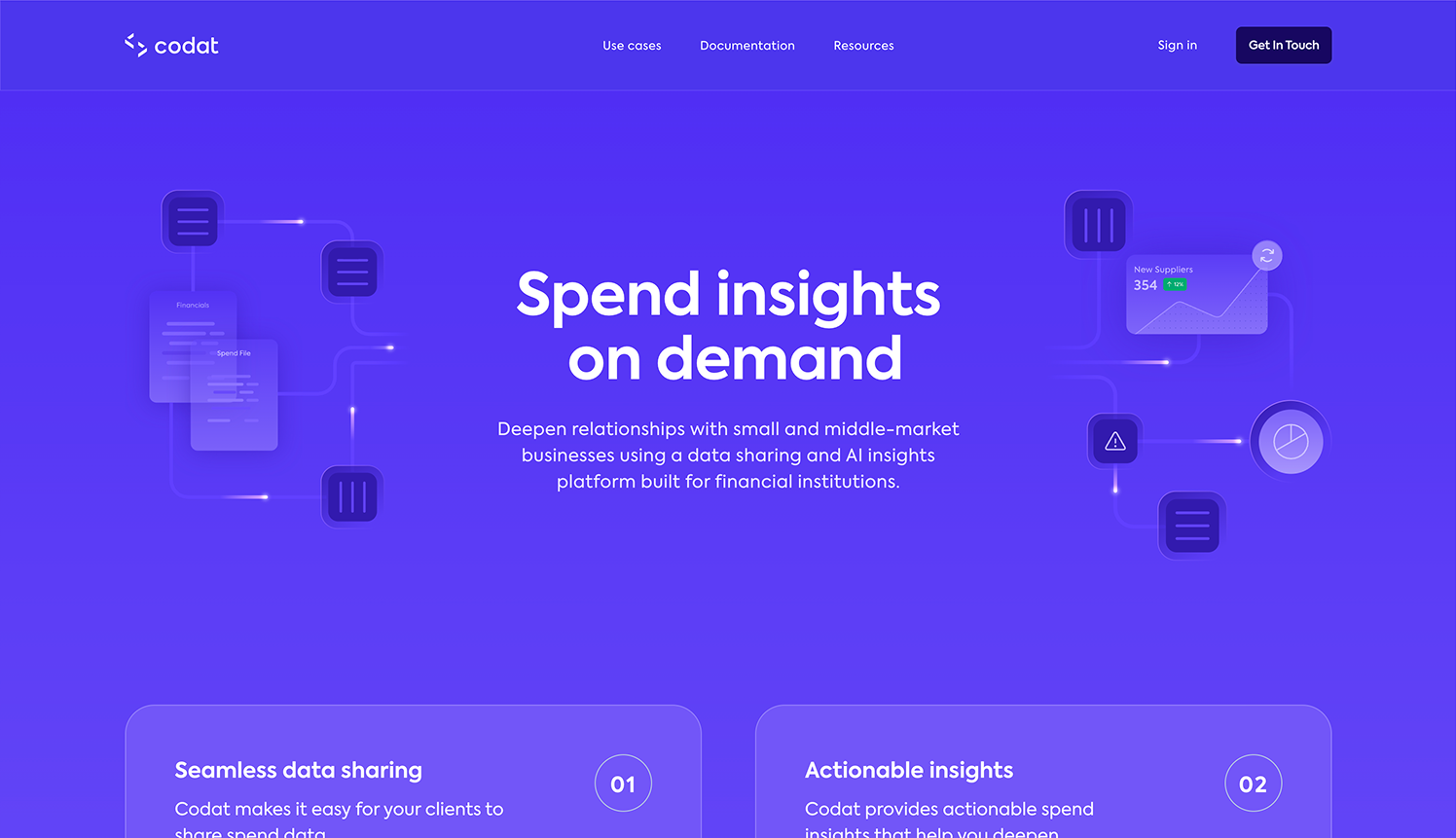
Codat provides a unified API for accounting, ERP, and banking platforms. It standardizes financial data, making it easy for fintech and financial software companies to access invoices, balance sheets, and expenses.
Key Features:
- Accounting-Focused: Supports QuickBooks, Xero, NetSuite, Sage, and FreshBooks.
- Standardized Data Models: Provides consistent financial data for invoices, bills, expenses, and P&L statements.
- Data Quality Assurance: Ensures accuracy and consistency of financial information across providers.
- Real-Time Synchronization: Provides up-to-date financial data for underwriting and analysis.
Best Suited For: Fintech companies, lending platforms, and financial software providers requiring reliable, standardized financial data.
Ratings: 4.6/5 - Users highlight reliable financial data integration and consistent synchronization with accounting systems.
6. Finch
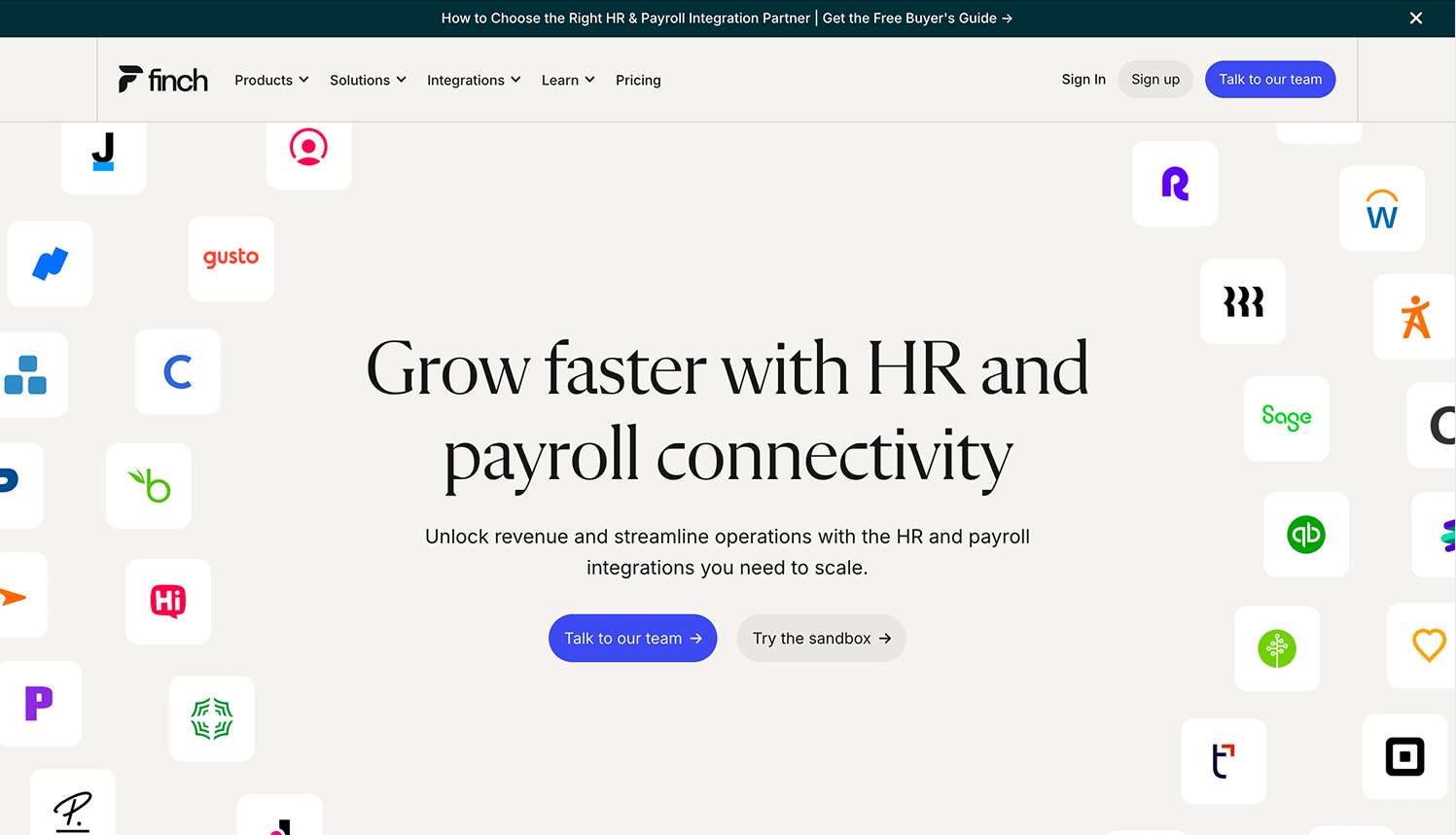
Finch offers a unified API for employment data and HRIS integrations, connecting HR, benefits, and payroll platforms. It manages complex payroll structures and ensures compliance.
Key Features:
- Comprehensive Integrations: Supports over 250 HRIS and payroll providers, including ADP and Paychex.
- Employment Data Models: Standardize employee records, payroll runs, benefits, and deductions.
- Payroll Complexity Management: Handles multi-state taxes, garnishments, and time-off accruals.
- Compliance Focused: Implements encryption, audit logs, and regulatory support for HR and payroll data.
Best Suited For: Fintech, HR tech, and benefits platforms that require consistent access to employment and payroll information.
Ratings: 4.8/5 - Recognized in the unified API category for robust employment data coverage and developer experience.
7. Knit
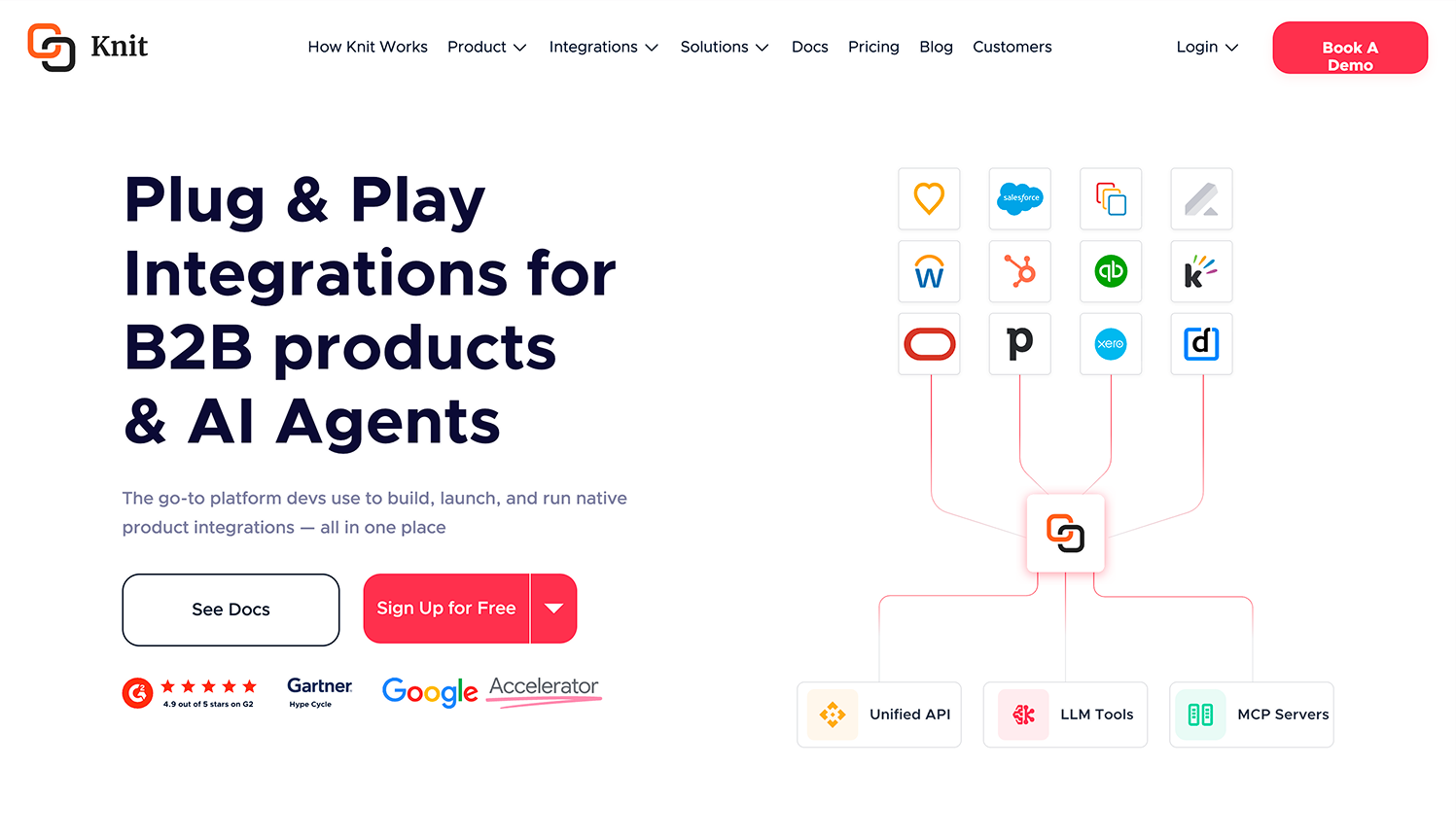
Knit connects SaaS products to HRIS, CRM, accounting, and ERP systems, prioritizing privacy, real-time synchronization, and regulatory compliance.
Key Features:
- Multi-Category Support: Integrates across HRIS, CRM, accounting, and ERP applications.
- Real-Time Data Updates: Supports webhooks for immediate synchronization of changes.
- Privacy-Centric Design: Offers GDPR compliance and customizable data residency options.
- Predictable Pricing: Provides transparent starting prices for planning integration budgets.
Best Suited For: B2B SaaS companies requiring multi-category integration with strong privacy and European compliance considerations.
Ratings: 4.7/5 - Rated positively for its real‑time data sync capabilities and compliance features across multiple system types.
8. Prismatic
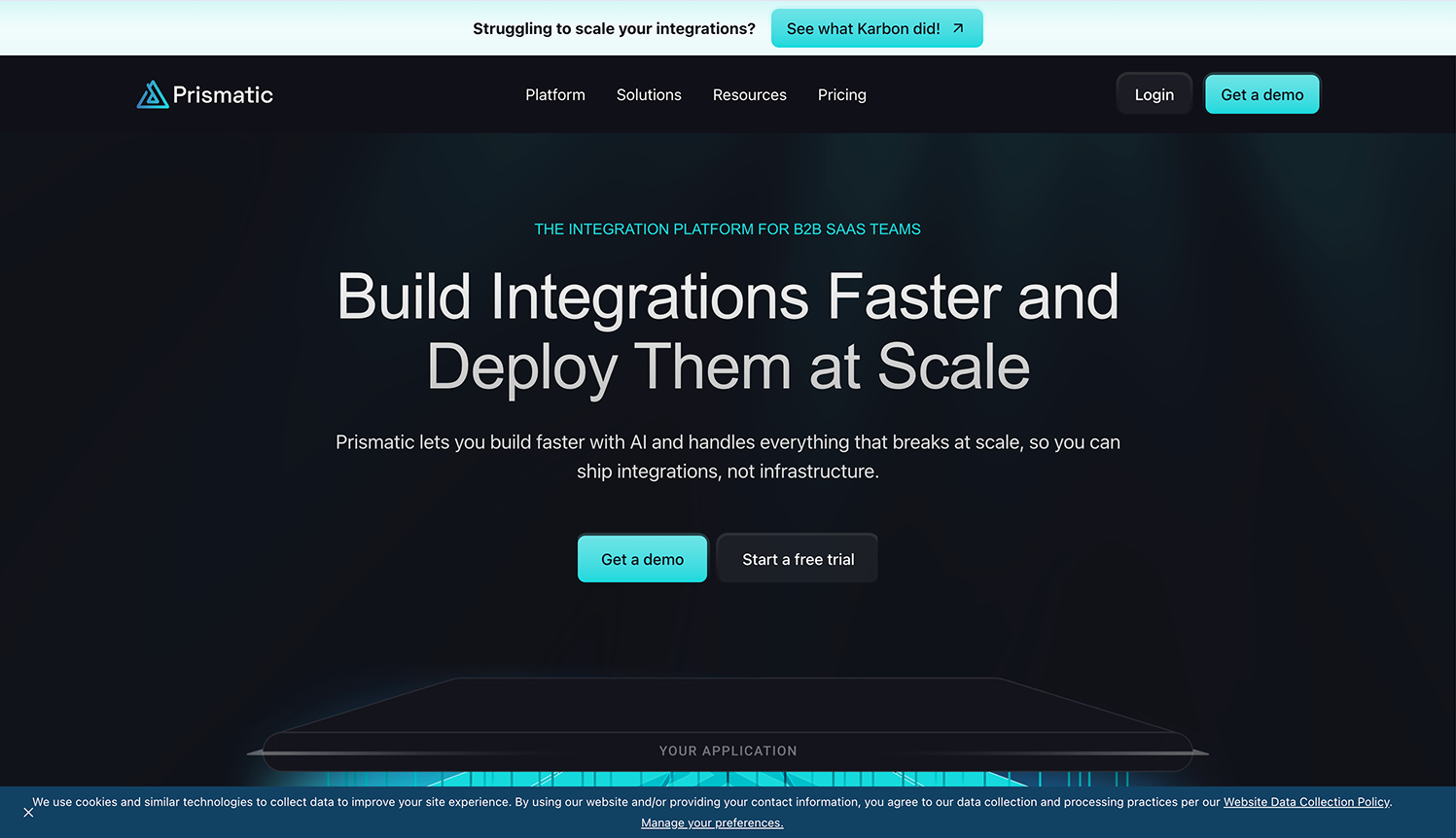
Prismatic is an embedded iPaaS that allows SaaS teams to build customer-facing integration marketplaces. It combines low-code visual tools with code for flexibility.
Key Features:
- Dual Development Tools: Offers both a low-code visual designer and SDK-based development.
- Reusable Components: Teams can create integration patterns for multiple customers.
- Customer Configuration: Non-engineering teams can deploy and manage integrations.
- White-Label Embedding: Integrations appear native to the SaaS product.
Best Suited For: Software teams building integration marketplaces with low-code and customer-facing configuration needs.
Ratings: 4.4/5 (50+ reviews). Users appreciate the combination of low‑code tools and flexible embedded integration.
9. Paragon
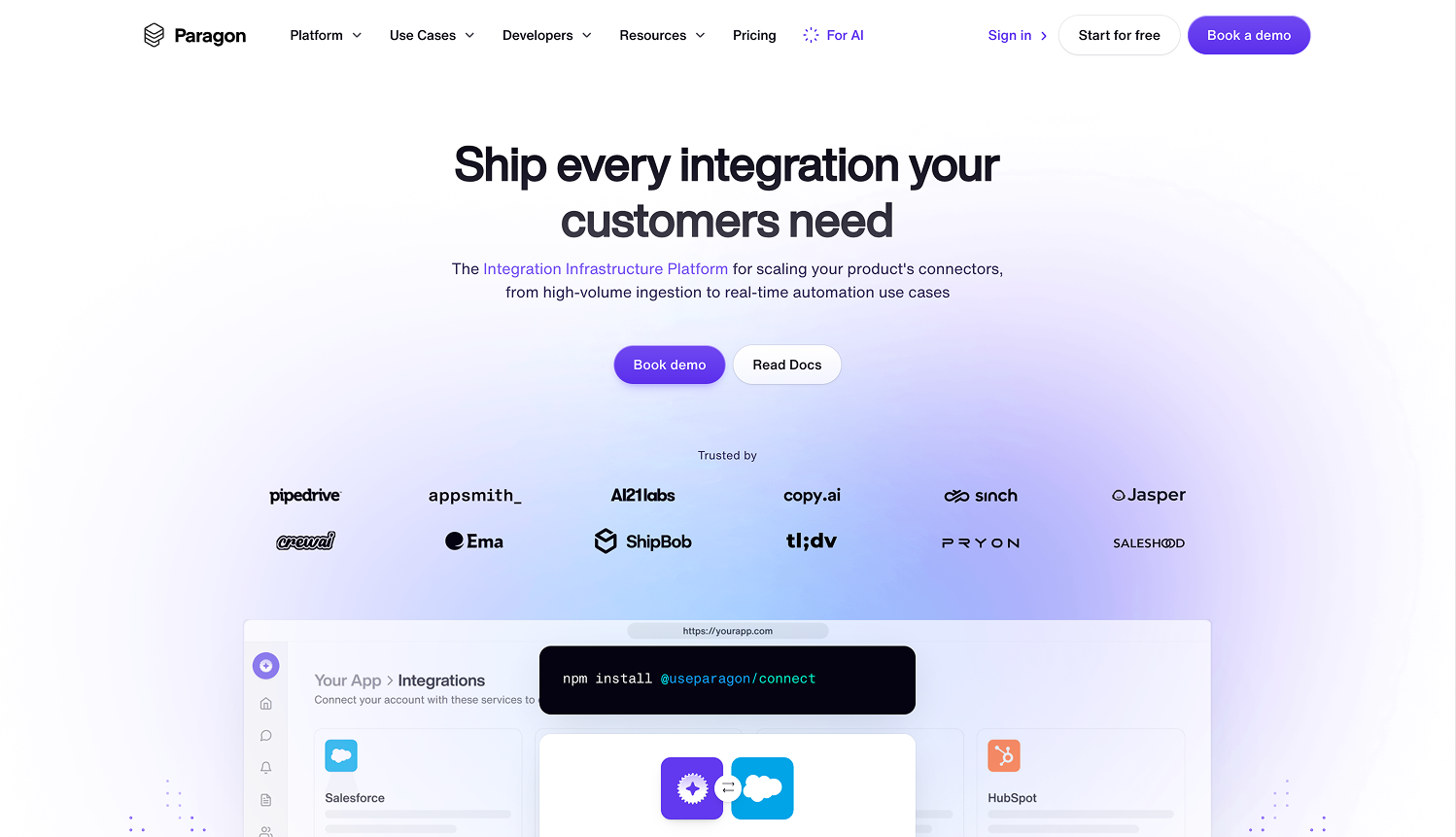
Paragon is an embedded integration platform that allows developers to add product integrations via workflow-based builders. It also provides direct access to underlying APIs.
Key Features:
- Custom Connectors: Enables integration with niche or industry-specific tools.
- Integrations as Code: Provides a unified workflow without restrictions of a single unified API.
- Broad Trigger Support: Handles app events, schedulers, webhooks, and workflows.
- Embedded Portal: Offers a visual workflow editor accessible to non-developers.
Best Suited For: B2B and AI SaaS engineering teams implementing third-party integrations with workflow-based control.
Ratings: 4.6/5 (200+ reviews). Reviewers value Paragon for its workflow‑centric integration builder and monitoring tools.
10. Workato
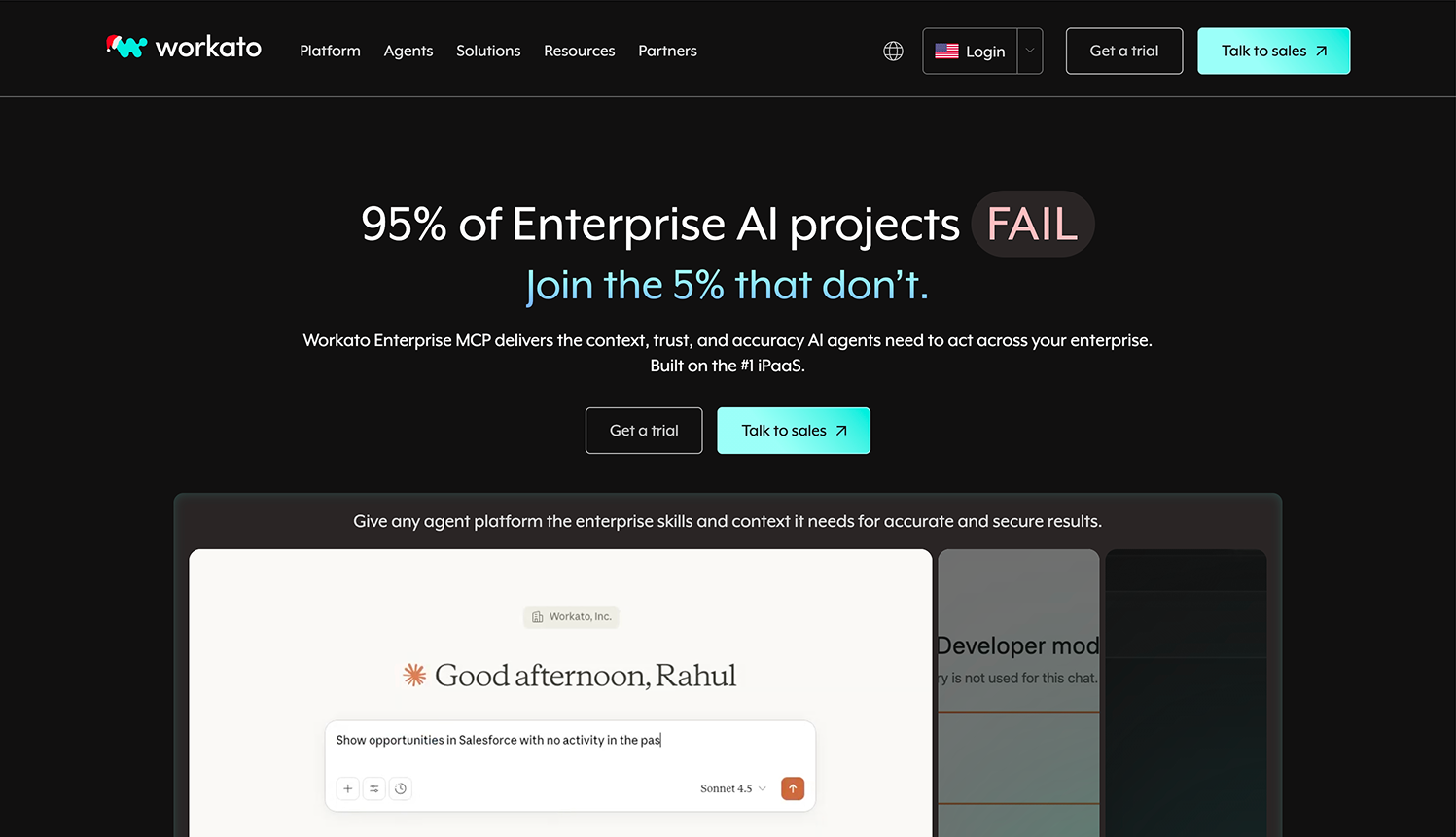
Workato is an enterprise iPaaS with low-code workflow automation and over 1000 pre-built connectors. It combines integration capabilities with business process automation.
Key Features:
- Extensive Connectors: Provides connectivity for modern SaaS and legacy systems.
- Recipe Automation: Offers pre-built workflows for standard business processes.
- Governance & Compliance: Supports role-based access, audit logs, and SOC 2 Type II compliance.
- Conversational Integrations: Enables automation across Slack, Teams, and other messaging platforms via Workbot.
Best Suited For: Enterprise IT teams building internal automation workflows and system integrations with low-code accessibility.
Ratings: 4.7/5 (400+ reviews). Workato is frequently cited for its broad connector library and strong automation features.
11. MuleSoft
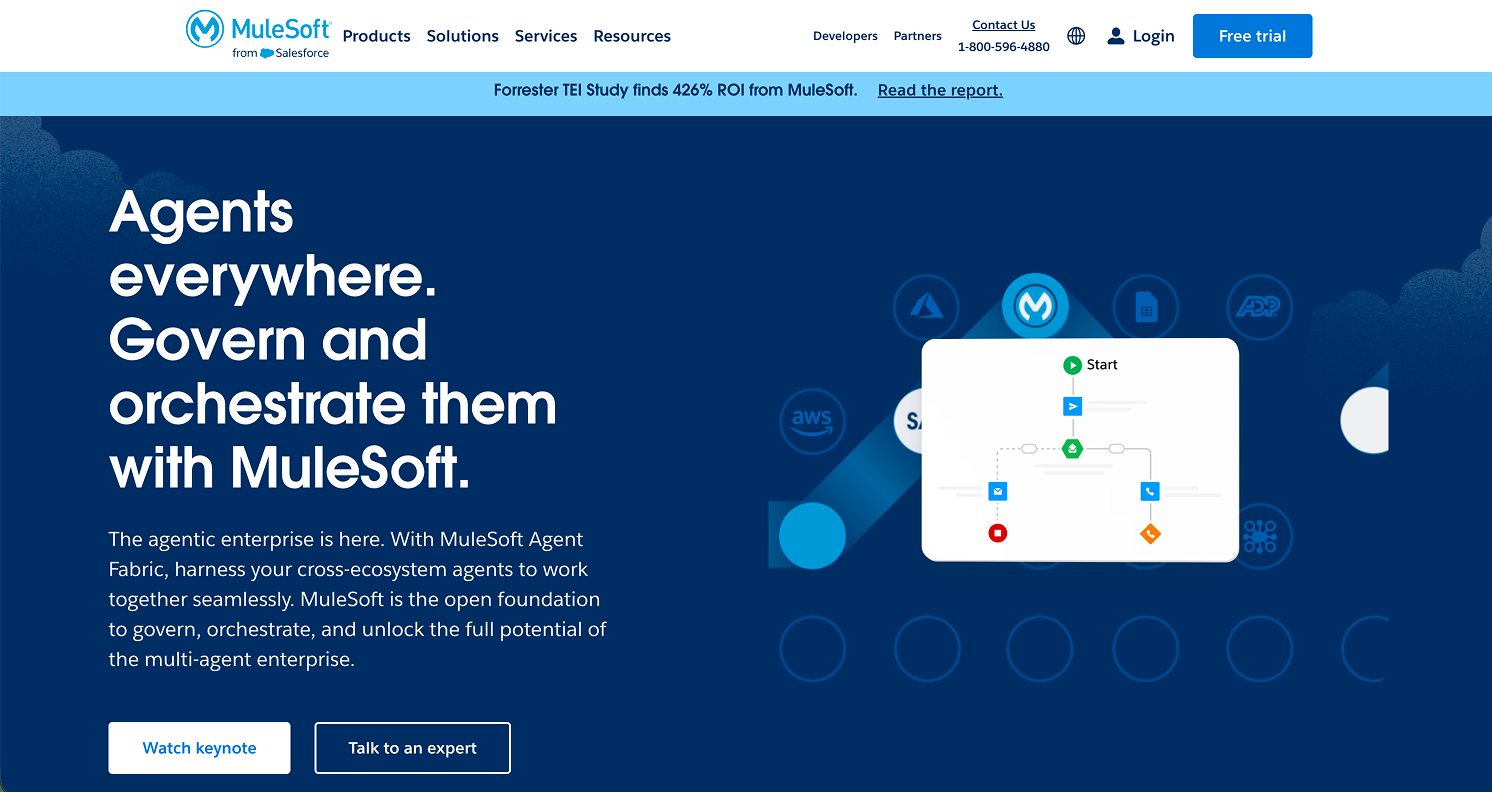
MuleSoft Anypoint Platform offers API-led connectivity and hybrid integration for large enterprises, with governance and security features.
Key Features:
- API Lifecycle Management: Centralized design, deployment, and monitoring of APIs.
- Hybrid Deployment: Connects cloud applications with on-premises and legacy systems.
- Salesforce Integration: Provides unified authentication and a consistent data model.
- Extensive Connector Library: Supports SAP, Oracle, Workday, ServiceNow, and Microsoft Dynamics.
Best Suited For: Large enterprises with complex hybrid integration requirements and Salesforce ecosystem investments.
Ratings: 4.4/5 (1,000+ reviews). Known for enterprise‑grade API management and hybrid system integration capabilities.
12. Boomi
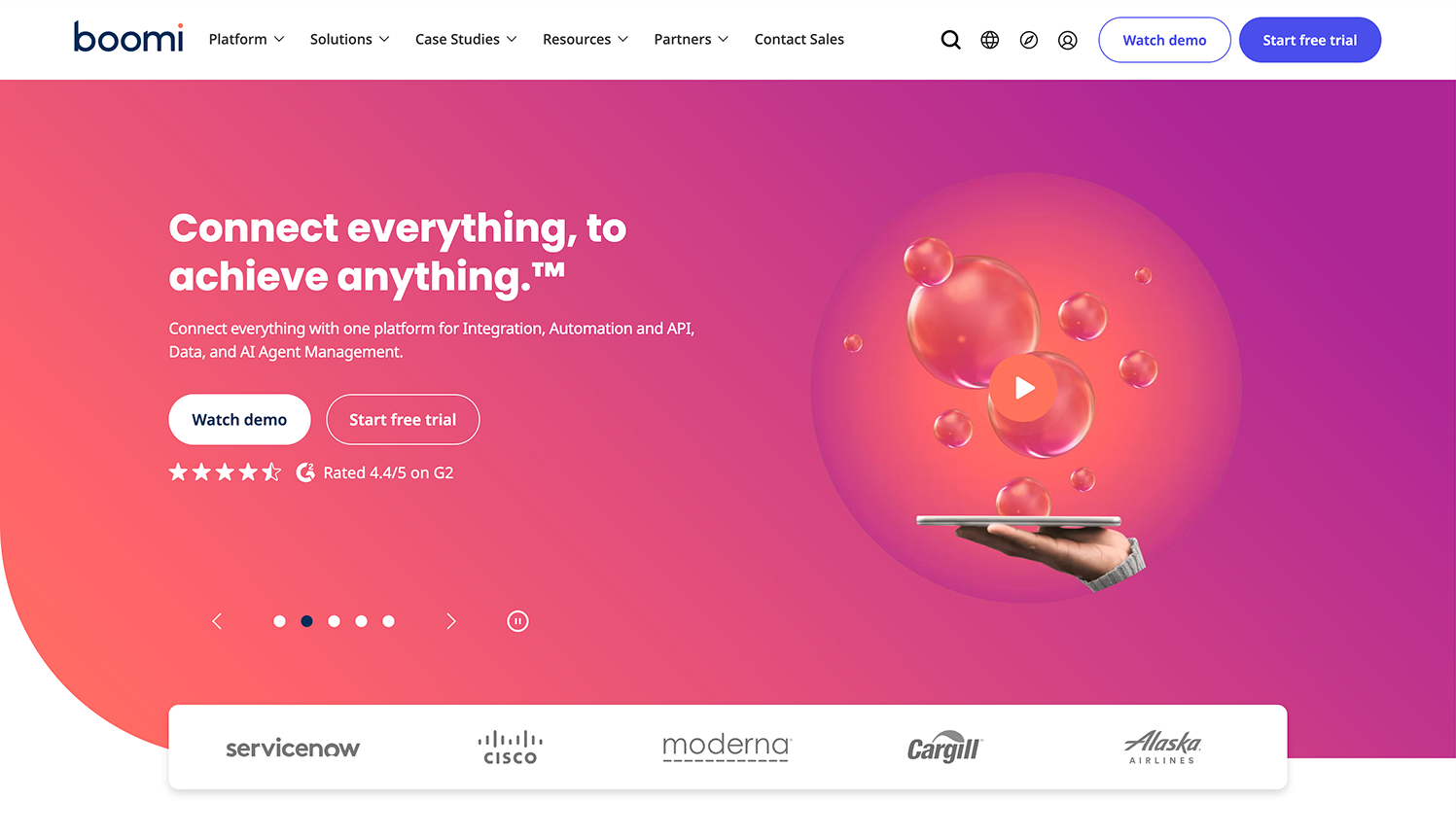
Boomi AtomSphere is an iPaaS for hybrid and legacy system integration, handling ESB, API management, and workflow automation for enterprise digital transformation.
Key Features:
- Flexible Deployment: Supports cloud, on-premises, or hybrid environments.
- Unified Platform: Handles ESB, API management, MDM, EDI/B2B, and workflow automation.
- Legacy System Connectivity: Integrates modern SaaS apps with legacy systems such as SAP and Oracle EBS.
- Low-Code Interface: Drag-and-drop design simplifies integration for broader IT teams.
Best Suited For: Enterprises connecting cloud applications with on-premises and legacy systems, particularly during digital transformation initiatives.
Ratings: 4.4/5 (600+ reviews). Users note Boomi’s wide connector support and visual integration builder as strengths.
Also Read: HCM–Payroll Integration Explained: Key Benefits & Implementation Steps
With the top platforms outlined, it’s important to understand the criteria and evaluation process used to select the best B2B integration tools.
How We Evaluated the Leading B2B Integration Platforms
Selecting the right B2B integration tool requires understanding trade-offs across functionality, usability, and operational overhead. We assessed each platform using the criteria most important to HR, payroll, and benefits teams, ensuring reliable, scalable, and low-maintenance integrations.
Below are the key dimensions to be considered:
1. Integration Depth and Platform Scope: Platforms differ in specialization versus broad coverage. Vertical specialists in HRIS, payroll, or accounting offer deep functionality, including custom field mapping, bidirectional sync, and complex validations. Horizontal platforms simplify implementation across multiple categories but limit granular control.
2. Developer and User Experience: We evaluated technical flexibility versus ease of use. Code-first platforms empower developers with CI/CD-ready workflows, while low-code and visual builders allow product and operations teams to configure integrations without coding. The right solution depends on who builds and maintains integrations.
3. Enterprise Readiness and Observability: Enterprise-grade features include bulk operations, validation rules, advanced security, and monitoring dashboards. Real-time logging, telemetry, and alerting help quickly resolve failures, ensuring consistent, compliant HR and payroll data across large deployments.
4. Scalability and Pricing: Pricing models, per-connection, usage-based, or platform fees—impact total cost of ownership. Scalable platforms align with growing transaction volumes and connected accounts, providing predictable cost structures as integrations expand.
5. Maintenance and Operational Overhead: We considered how platforms handle API updates, credential refreshes, rate limits, and schema evolution. Automated maintenance reduces engineering workload, while DIY approaches require continuous oversight.
6. Feature Breadth vs. Specialization: Some platforms focus on specific categories, providing deeper functionality, while others cover multiple business applications. Companies must balance vendor sprawl, integration depth, and the types of workflows they need to support.
We focused on platforms that deliver reliable, scalable integrations while minimizing maintenance and operational overhead.
Final Thoughts
Disconnected systems, manual updates, and inconsistent data slow down operations and create errors. Strong B2B integration tools automate workflows, monitor data flows, and maintain accurate information across all systems.
Try Bindbee, a unified API that connects over 60+ HRIS, payroll, and benefits platforms quickly. With over 100,000 successful syncs, employee data is updated every 24 hours. Bindbee supports global deployments with data residency in your chosen location, while offering on-time support with first responses within an hour via Slack or call.
Book a demo today to streamline integrations and eliminate operational bottlenecks in your HR and payroll processes.
FAQs
1. How do B2B integration tools help reduce compliance risks in HR and payroll systems?
Integration platforms standardize employee and payroll data, maintain audit logs, and automate updates. This reduces errors, ensures regulatory alignment across jurisdictions, and minimizes the risk of non-compliance for multi-state or global HR operations.
2. Can B2B integration tools support hybrid deployment models?
Yes. Many platforms support cloud, on-premises, or hybrid deployments. This flexibility allows organizations to integrate legacy systems alongside modern SaaS applications without disrupting existing workflows.
3. How do observability and monitoring features prevent downtime in integrations?
Dashboards, real-time alerts, and logs provide visibility into data flows and errors. Teams can quickly detect and resolve issues, ensuring continuous synchronization among HR, payroll, and benefits systems and reducing operational interruptions.
4. Are custom field mappings essential for enterprise B2B integrations?
Absolutely. Enterprises often use custom fields in HRIS or CRM systems. Integration platforms supporting field-level mapping enable precise synchronization, ensuring data accuracy and preserving workflow integrity across multiple systems.
5. How do integration tools improve developer efficiency?
Platforms offer pre-built connectors, SDKs, low-code workflows, and CI/CD-ready configurations. This reduces manual coding, accelerates deployment, and frees engineering teams to focus on product development rather than maintaining fragile integration scripts.